
One of the cornerstones of the true yoga tradition is pranayama. So it is fantastic to read and hear from the masters about how crucial it is for preserving well-being and enhancing mental health, which helps manage stress and other associated problems, and how this practice can enhance focus, memory, and retention. But many myths and truths exist regarding it, which have to be clarified.
Three phases closely correspond to the actual Pranayama.
- Awareness of the breath, its movements, and prana!
- The steps entail deep, rapid, or prolonged breathing in and out while maintaining attention on either the inside or outside of the body or on a thought being introduced to bring about the transformation.
- Until a change is seen or perceived, practice frequently or continue to practice; it enhances the spread of Prana.
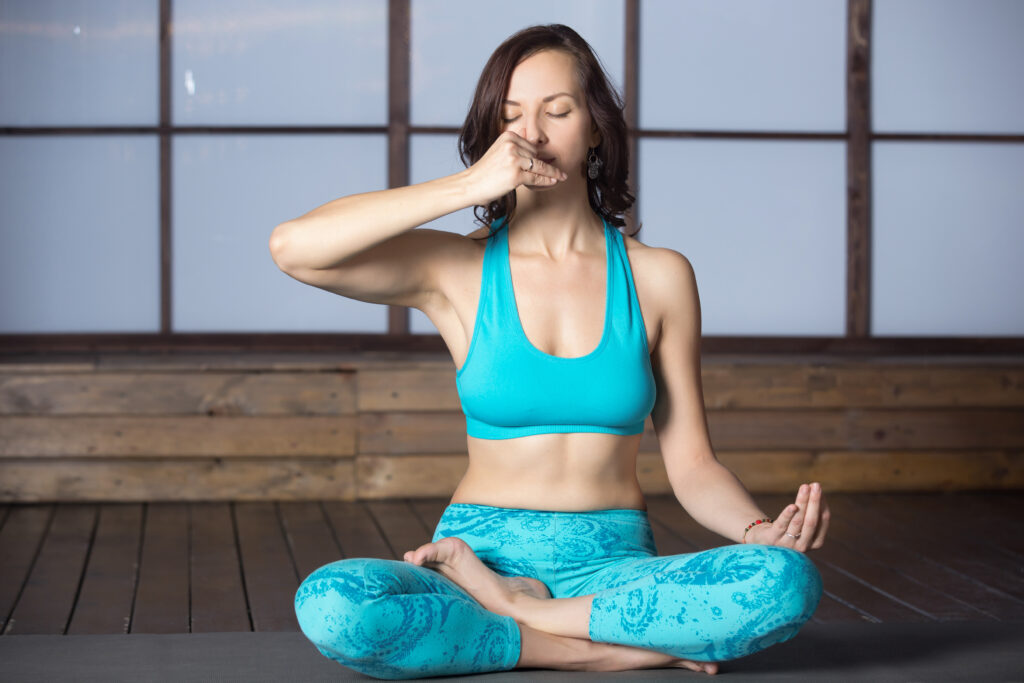
Let us dive into the myths regarding pranayama in detail.
#1 Risk To Health
The most widespread myth about pranayama is that it poses a risk to one’s health and can disturb one’s body and mind if taught incorrectly, especially when offering exercises to kids who aren’t yet prepared to receive them; this is true enough.
The progression of a pranayama practice has no set schedule. Every practitioner should be free to go at their own pace and even be encouraged to return if a tried-and-true method suddenly seems challenging. This frequently happens when adulterated patterns fail, and the pure, scientific ones haven’t yet arisen to take their place.
#2 Just Breathing Is Prana
As the first energy unit or life force, Prana is a traditional Sanskrit term. Breath or breathing is what the Sanskrit word “swash” denotes. Prana has been transported by breathing, particularly physical breathing. As opposed to just breathing, prana is a “life force.”
In ancient literature, “Prana” is defined as “that which gives life – the vital energy.”
#3 Beginners In Yoga Should Practice It
Another prevalent misunderstanding is that beginners should practice pranayama in their daily schedule. But, again, this is against precedent for this in history since many ancient writings make it clear that practitioners should only begin pranayama once they have achieved asana mastery (see, for example, Hatha Yoga Pradipika 2.1).
A case could be made for this if the practice were done while sitting up because most beginning students need help to maintain the sitting position needed for the breathing exercises. However, one of the breakthroughs of contemporary yoga is reclining pranayama, which eliminates the requirement to sit correctly. Therefore, learners can perform pranayama in this position if the instruction fits their ability level.
#4 It Takes A Decade To Practice It
One of the prime myths regarding pranayama is that building a breathing practice can take a long time. Again, there is some validity to this if the practice is carried out erratically and without complete focus. However, even if this is only true for some, it is possible to improve quickly with regular practice of the proper breathing pattern or techniques.
#5 In Pranayama, The Breath Is Held While The Breathing Pattern Is Altered
Pranayama translates to “halt in breath movement.” The breath can pause both voluntarily and unconsciously. In a typical breathing rhythm, there is constantly a “pause” in the breath’s travel when it enters and before it leaves, as well as when it leaves and before it enters. Buddhism emphasized “effortless and effortless awareness of breath” and disapproved of the notion that changing the pace, rhythm, or retention of breath might result in the desired improvements.
Approximately 52 facets of the concept of breath awareness have become well-known mindfulness/meditation techniques. Students of yoga alter their breath’s rhythm and pace consciously, which has been the focus of 40 years of scientific study. Certain respiratory centers, the Reticular Activating System, and the Autonomic Nervous System may have sprung up when great masters connected Prana with the mind, as the significance and advantages of practices are detailed.
Pranayama must be practiced under the guidance of an expert since, as both tradition and science concur, it will not result in the necessary good effects.
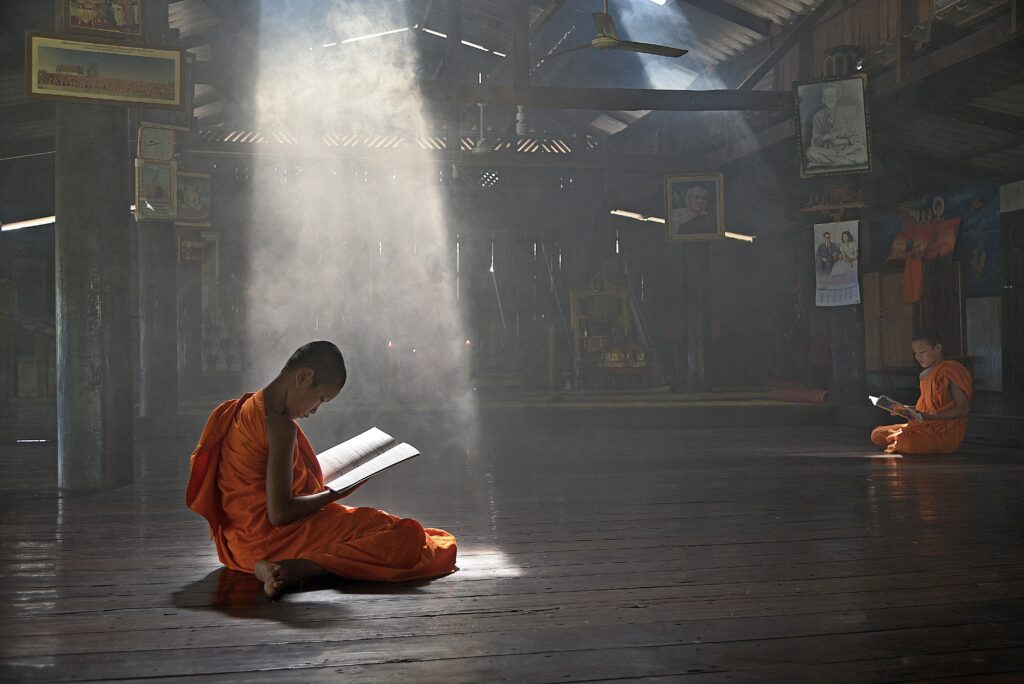
#6 Prana Is Just Energy
While simplified, it needs to be more accurate. Prana is energy-awareness or consciousness force when it is described as life power. Although breathing is only a bodily activity, it transforms into consciousness-inducing energy when Prana is included. In contrast to breathing, there is Prana behind every action and change. Prana first appears in the brain as the mind. However, this is more of an interpretation in writing. Infinite space, fire, water, and earth are how prana appears in the neck, navel, testicles, and root of the spine, respectively. Simply said, prana permeates every cell in the body and manifests as various bodily activities. Prana is energy or force, but it’s also connected to consciousness.
Because of this, it is believed that “Prana moves where the mind moves, and the mind moves where Prana moves.”
#7 During The Practice Of Pranayama, One Should Very Forcefully Hold The Breath
Pranayama practice includes more than just holding one’s breath, whether inside or outdoors. The technique includes awareness of breath, motion, internal focus, waiting for the desired transformation, and awakening to greater consciousness. Moreover, the practice has to be effortless.
Many students say they hold their breath to practice pranayama but fail to derive benefits. I dispute their assertions, saying that you may hold your breath unconsciously while conversing, becoming excited or enjoying yourself, or even while you’re agitated or anxious. Furthermore, in all phases of consciousness—sleep, waking state, and dreaming—breath is continually shifting and adjusting its rhythm. Use pranayama exercises?
#8 Before Realizing How My Breath Moves, I Can Hold My Breath
Before engaging in breath retention, it is important to improve awareness of the breath, its movement, and how it interacts with the body, brain, mind, and emotions all at once. There are basic procedures.
- Spend one to two minutes focusing on your breathing and how it moves. Even if we are unaware, the breath must blow the instant one becomes aware of it.
- Slowly and consciously adjust one’s breath. Allow each breath to be deeper than the one before it. It keeps one more conscious of their breathing.
- Let there be a rhythmic breathing pattern with equal inhalations and exhalations. Let the mind pay close attention to each inhalation and expiration of the breath.
- Wake up to a slow, silent, deep breath with no retention. Continue your practice until you feel deep relaxation across your entire body, your inner attention sharpens, and your awareness of your emptiness increases.
The steps listed above are easy to follow and produce excellent results. Holding the breath is necessary until the conscious mind develops wisdom via personal observations of the interrelationships between the body, breath, brain, and mind.
#9 I Gave It Ten Minutes Of Practice, But I Got Nothing
Many students report practicing for five to fifteen minutes without seeing any progress. It is simpler to say than to do.
- Were you conscious of your breath moving in or out throughout the practice? NO
- Were you aware of the movement of your chest (which represents the thoracic cavity) and belly (which represents the diaphragm) along with your breath? NO
- Did your chest, tummy, or both practices expand or contract? NO
- Were you conscious of either the breath or the thoughts following the breath? NO
Consequently, you are not doing any pranayama at all. Except for increased carbon dioxide content, stimulation chemoreceptors, and the perception of sensations inside the skull, simple breath retention may not aid at all.
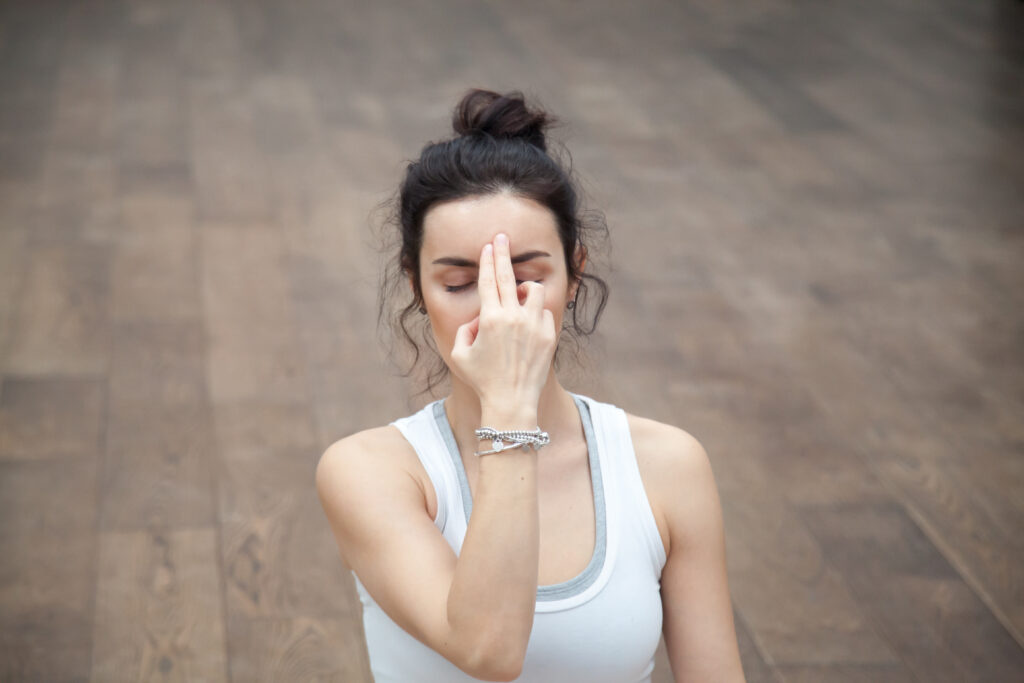
Conclusion
What occurs to a frog during its long period of hibernation, during which its metabolism and breathing rate both decline by a significant amount? What transpires to polar bears who bury themselves deeply and breathe more slowly? They can find the tools they need in nature. Likewise, humans have the power to learn and can enact astonishing mental changes that affect the brain in ways that promote metabolic equilibrium, deeper relaxation, inner peace, and happiness. Pranayama training will help us achieve this.
Frequently Asked Questions (FAQs)
The energetic body contains seven chambers for the storage of prana. Many people already know these spaces as the 7 chakra system that runs along the spine. Your body and energy system remain in balance while prana is flowing.
The relaxation and awareness benefits of pranayama have been studied, researched, and proven. Additionally, it has been demonstrated to promote a variety of bodily functions, such as lung, blood pressure, and cognitive wellness.
Stop doing pranayama if you feel fatigued or uneasy, and relax by lying down in Shavasana. Do not exercise vigorously after pranayama. Pranayama should not be practiced by people with heart failure or those who become breathless after light exercise.
The “conscious breathing” method is used in pranayam. Our bodies each have unique mechanisms for coping with stress (both emotional and physical). Stressful circumstances frequently set off our bodies’ natural stress responses, which have diverse effects on our bodies and minds.
If done incorrectly, pranayama is dangerous. It can result in various issues, including breathing difficulties, lightheadedness, weak digestion, unpredictable thoughts, sleep disruptions, and more. Breathing is a part of pranayama, and prana vata and, to some extent, udana vata are both responsible for controlling the breathing process.
Certain Pranayam techniques can cause the body to become extremely hot, which needs to be directed. Negative emotions like rage, impatience, and disease can be amplified by careless behavior. Burnout and weariness of the neural system may result from it.
This has been a guide to Myths Regarding Pranayama. Here we elaborate on 9 major myths of this yogic practice in detail and find their reality. You can read more such articles here –
Yoga Does Have A Dark Side – 10 Unknown Secrets